Child health and nutrition
How does coastal-water contamination affect early-childhood development, and what role do nutrition and seafood access play?
ERC Starting Grant · GLOBCOADEV
GLOBCOADEV investigates how human contamination of coastal waters affects health, livelihoods, and economic development in low- and middle-income countries.
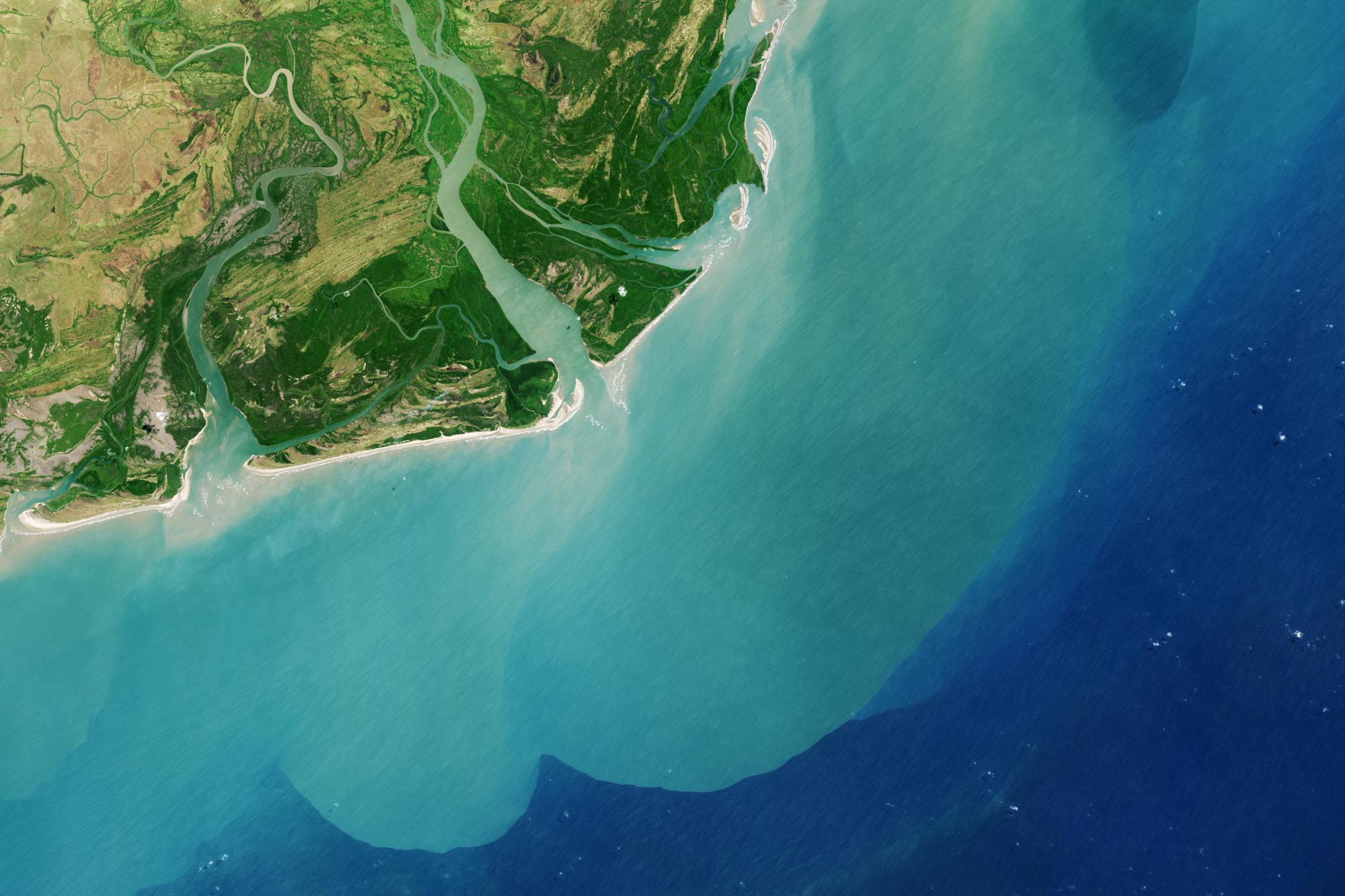
Coastal waters support food security and livelihoods for billions of people, especially in low- and middle-income countries. Human activity is contaminating these waters, with potential consequences for marine productivity and the communities that depend on fishing. Yet the economic and social impacts of coastal-water contamination remain poorly understood. GLOBCOADEV aims to provide global causal evidence on these effects and inform policies to protect coastal environments and the people who rely on them.
The project is organized around three connected questions:
How does coastal-water contamination affect early-childhood development, and what role do nutrition and seafood access play?
How does contamination change fishing activity and the wider economic conditions of coastal communities?
How might environmental change influence political attitudes, violence, and rural-to-urban migration?
GLOBCOADEV examines the last five decades across low- and middle-income countries. It combines satellite-based measures of coastal-water conditions—including chlorophyll-a concentration and total suspended matter, used as proxies for contamination—with a broad range of micro-level information, including household and health data, local economic outcomes, and measures of human behavior.
River discharge and climate variation shift coastal conditions.
Satellite measures track chlorophyll-a and suspended matter.
Changing marine productivity can affect catches, food access, and livelihoods.
The project studies child development, economic activity, and wider social effects.
Alex Armand and Iván Kim Taveras · Journal of the European Economic Association, 2026, 24(4), 1332–1367 · doi:10.1093/jeea/jvaf054
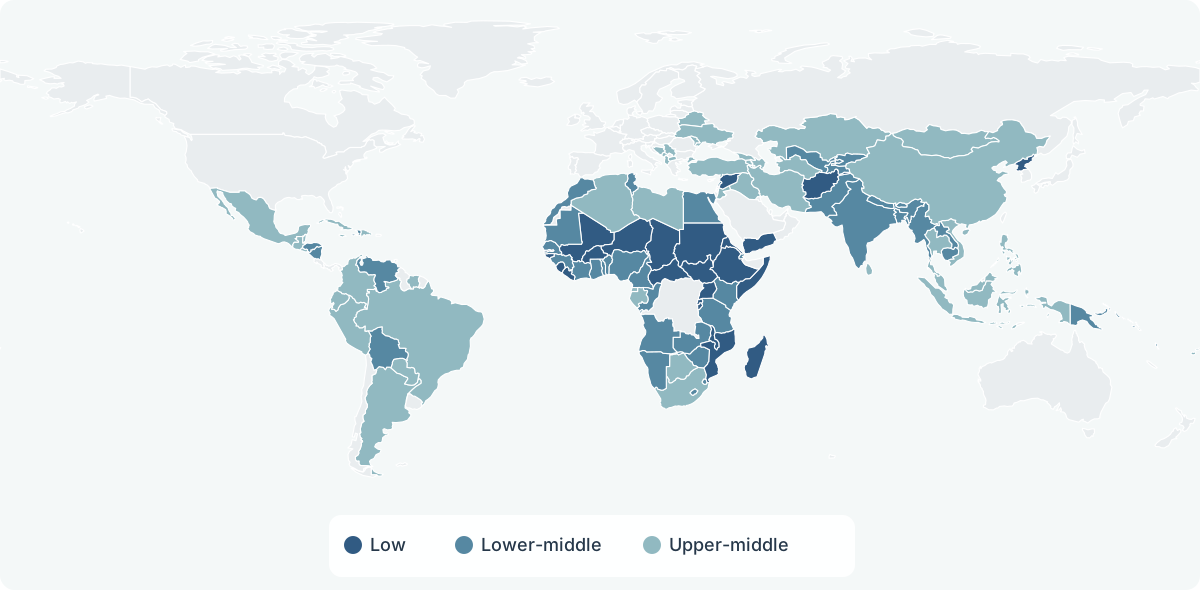
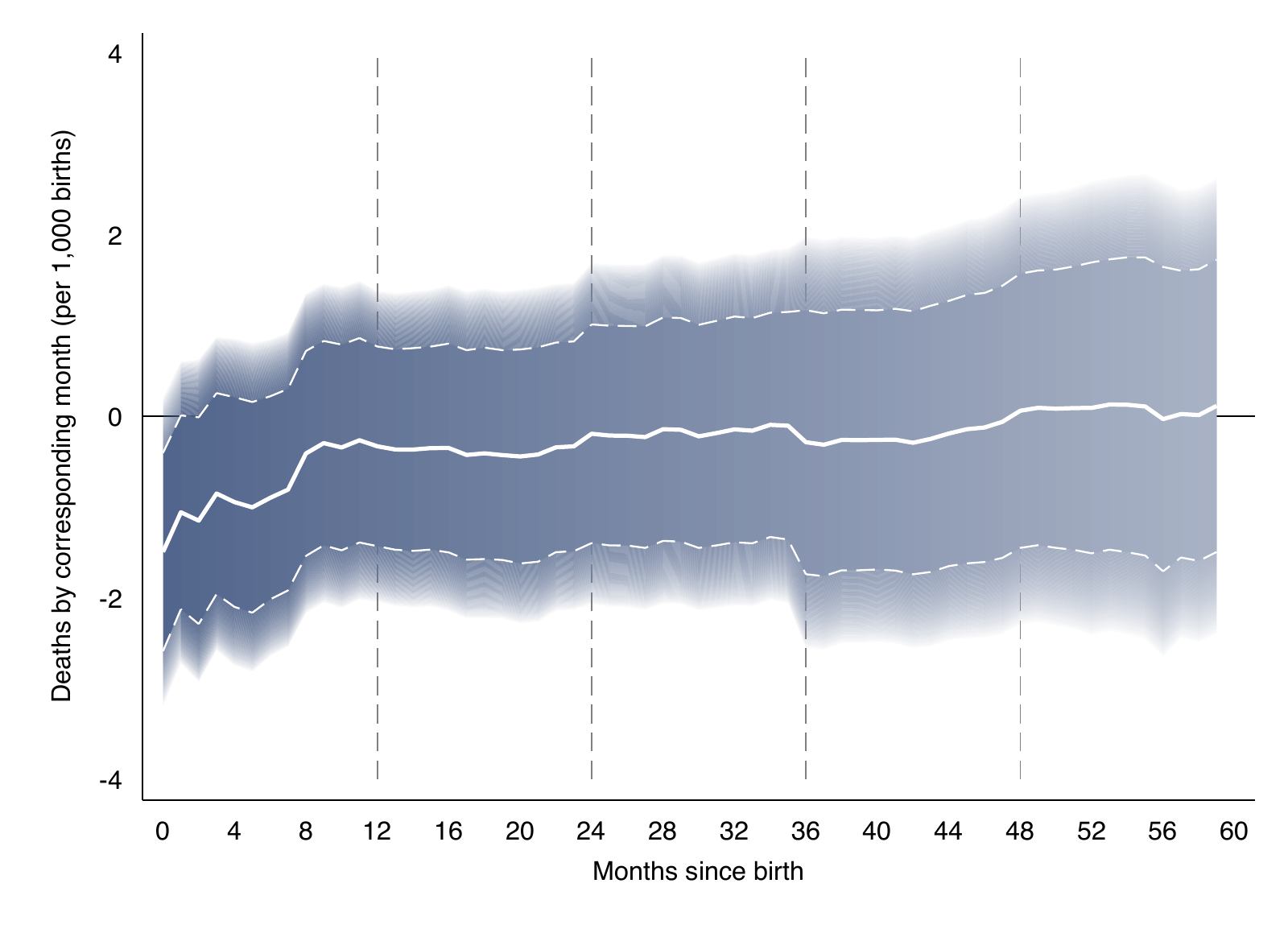
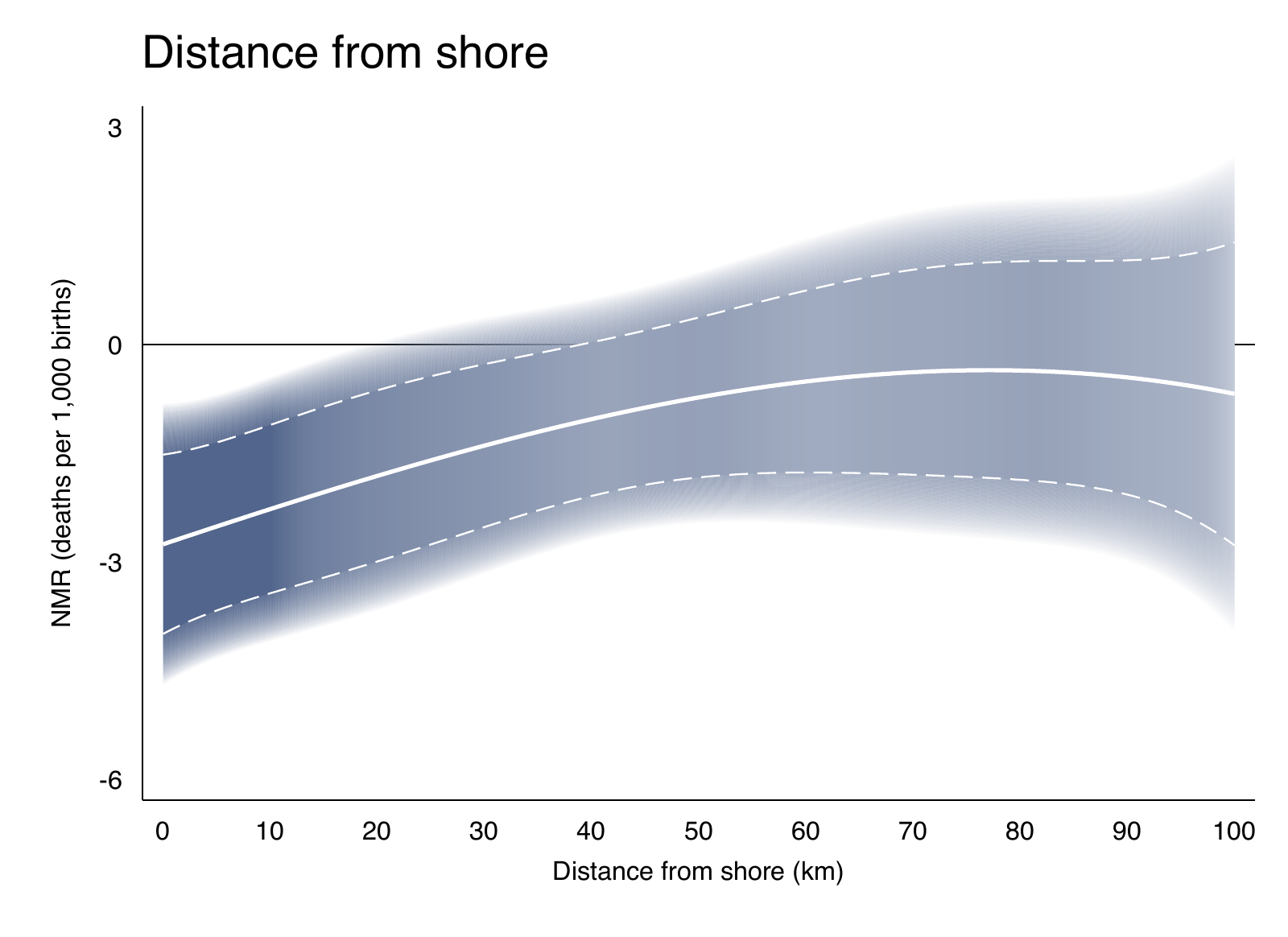
Using data from coastal regions in 36 low- and middle-income countries between 1972 and 2018, the study finds that prenatal exposure to higher ocean acidity increases the risk of death in the first months of life and affects early-childhood development. The evidence is consistent with a nutrition pathway: acidification reduces small-scale fishing catches, raises seafood prices, and lowers consumption of important nutrients. The paper highlights the potential human-health costs of ocean change.
With Alex Armand (Nova SBE), Marion Richard (Nova SBE), Julien Labonne (Oxford), and Pablo Querubin (NYU).
With Yannik Schenk (Nova SBE) and Marion Richard (Nova SBE).
Principal Investigator
Professor of Economics at Nova SBE. His research uses applied microeconomics to study development, institutions, and environmental and health challenges.
Research team
Yannik Schenk is a Postdoctoral Researcher at Nova School of Business and Economics. He holds a PhD in Economics from the Catholic University of Louvain. His research focuses on political economy and development economics, particularly the evaluation of media interventions. His current projects study the role of progressive radio during the US civil rights movement and the contribution of family-planning radio content to fertility transitions in developing countries. His past work includes research on adaptation to climate shocks in Senegal.
Research team
Marion Richard is a Postdoctoral Researcher at Nova School of Business and Economics. She holds a joint PhD in Economics from the Paris School of Economics and the Catholic University of Louvain. Her current work examines adaptation to and resolution of conflict and insecurity, the legacies of colonial policies on demand for education, determinants of contraceptive use, and the measurement of migration in developing countries. She uses household surveys, census data, and archival sources from Sahelian and East African countries.
Research team
Iván Kim Taveras is an Assistant Professor of Economics at the University of Navarra and a Research Fellow at the Navarra Center for International Development. He received his PhD in Economics from Bocconi University in January 2026.